Lasting Change After Addiction: Why Quick Fixes Don’t Work (and What Does)

The “quick fix” temptation when you’re trying to break free from addiction is as enticing as it is misleading. Quick fix solutions are regularly associated with quickly falling back into old habits. While they might offer a temporary emotional high or a brief escape, they don’t address the real work that needs to be done. True, lasting freedom comes from a much deeper place, often at a much slower pace.
If you’ve ever wondered why some efforts to change stick while others fade, you’re not alone. Understanding the difference between a temporary fix and a true transformation is the key to building a better life after addiction recovery.
Why Quick Fixes Don’t Create Lasting Change
Many popular approaches to addiction recovery focus on the wrong things. They might feel good in the moment, but when life throws you its challenges, they don’t have the power to sustain you.
Here’s why some attempts at addiction recovery fail:
- They treat symptoms, not causes. Quick fixes often address behaviors without tapping into the underlying beliefs and wounds that fuel them. It’s like patching a leaky pipe without addressing the crack in the wall; the problem will come dripping back into your life.
- They rely on emotion, not principles. Motivation is wonderful, but the emotional high of a breakthrough moment won’t carry you through the rough days. Lasting change is constructed with principles that guide your actions even when the motivation has evaporated.
They keep you tied to the problem. When you constantly identify as an “addict,” you shackle yourself to your past. This label can prevent you from seeing yourself as the person you are becoming, someone who is whole, healed, and moving forward with life after addiction recovery.
Embracing the Shift in Your Identity
The answer lies in shifting how you see yourself. You become what you repeatedly do and what you repeatedly tell yourself you are. Tell yourself you are recovered and you will start to believe it. When you believe it, you will start to act like it, and when you act like it, you become it. Lasting change isn’t about fighting your old self; it’s about building a new one from the ground up.
This goal has a practical formula. By focusing on core principles, you can start living as the person you want to be, building a life after addiction recovery. Over time, it becomes your new reality.
4 Pillars to Sustain Your Recovered Life
When you build your life on solid principles, transforming from “in recovery” to “recovered” becomes possible. These four pillars of addiction recovery provide a framework for creating your new identity, one choice at a time.
1. Be Honest
Radical honesty is where true change begins. It means looking at yourself without excuses or denial. You can’t change what you’re not willing to see. When you commit to being honest, you break free from the patterns that kept you trapped in the past.
2. Have Integrity
Integrity is about aligning your actions with your beliefs. It means keeping the promises you make to yourself. As you do this, you rebuild self-trust, and self-trust creates self-confidence.
3. Be Accountable
Taking ownership of your choices is incredibly empowering. When you stop blaming others or your circumstances, you realize that the power to change is in your hands. Accountability reminds you that you have control over your life.
4. Help Someone
When you help others, you can not only see but feel and truly experience the growth you have made. Helping others reinforces your new identity and gives you a sense of purpose beyond your own struggles. It directs your focus from your past pain to your present contribution.
What Lasting Change Looks Like in Real Life
Transformation starts on the inside. It’s not about grand gestures, but about the small, everyday choices you make.
Lasting change looks like:
- Choosing honesty even when a lie would be easier.
- Keeping a commitment to yourself, like going for a walk when you’d rather stay on the couch.
- Owning a mistake without making excuses.
- Becoming the person that others know they can depend on.
Each of these choices reinforces your new identity. Live a life that is more than simply reacting. You can lead your life in a direction that you want it to go. Your confidence grows when it’s anchored in who you are and not in in-the-moment emotions.
Live a Life You Lead, Not One That Happens to You
True change isn’t just stopping a behavior. It’s about becoming someone new. It’s a journey from feeling powerless to knowing you have the strength to create a life after addiction recovery, the life you want to live.
By building your life on the principles of honesty, integrity, accountability, and service, you create a foundation that can withstand any challenge that life throws at you. You become the author of your own story, filled with hope, purpose, and lasting freedom.
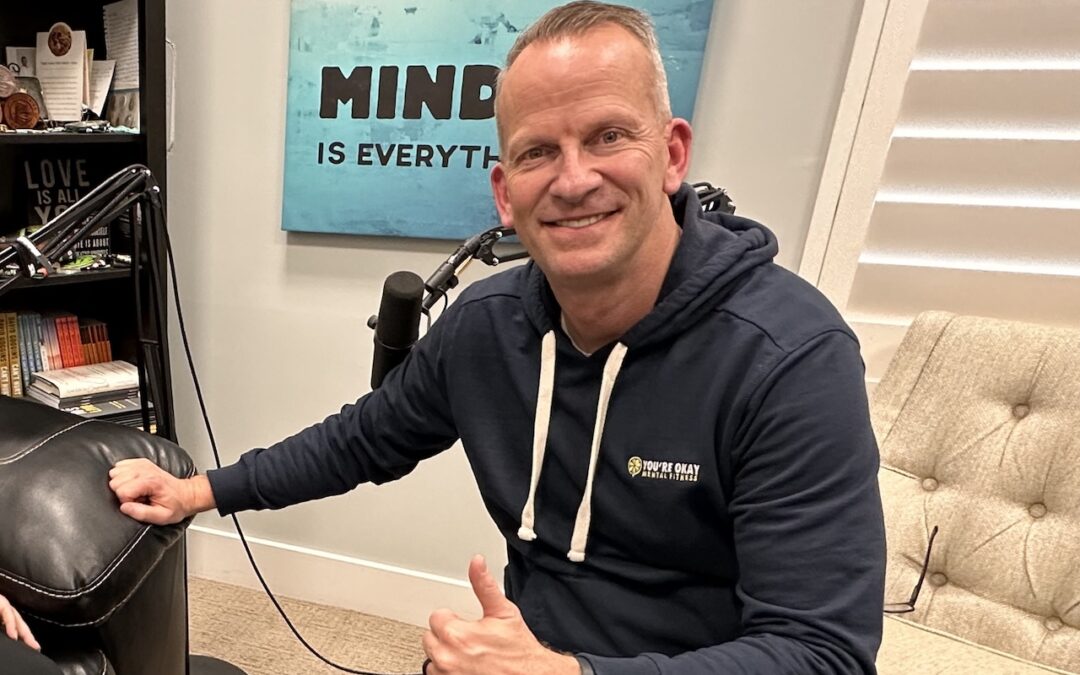
Listen to the podcast for real stories and real encouragement.